
Small and medium enterprises (SMEs) are the backbone of modern commerce but many still manage warehouses using spreadsheets, WhatsApp, manual logs, and reactive planning. As order volumes rise and supply chain pressures increase, even smaller operations are starting to feel the cracks. The good news? You don’t need to be an e-commerce giant to benefit from Artificial Intelligence (AI) and Machine Learning (ML).
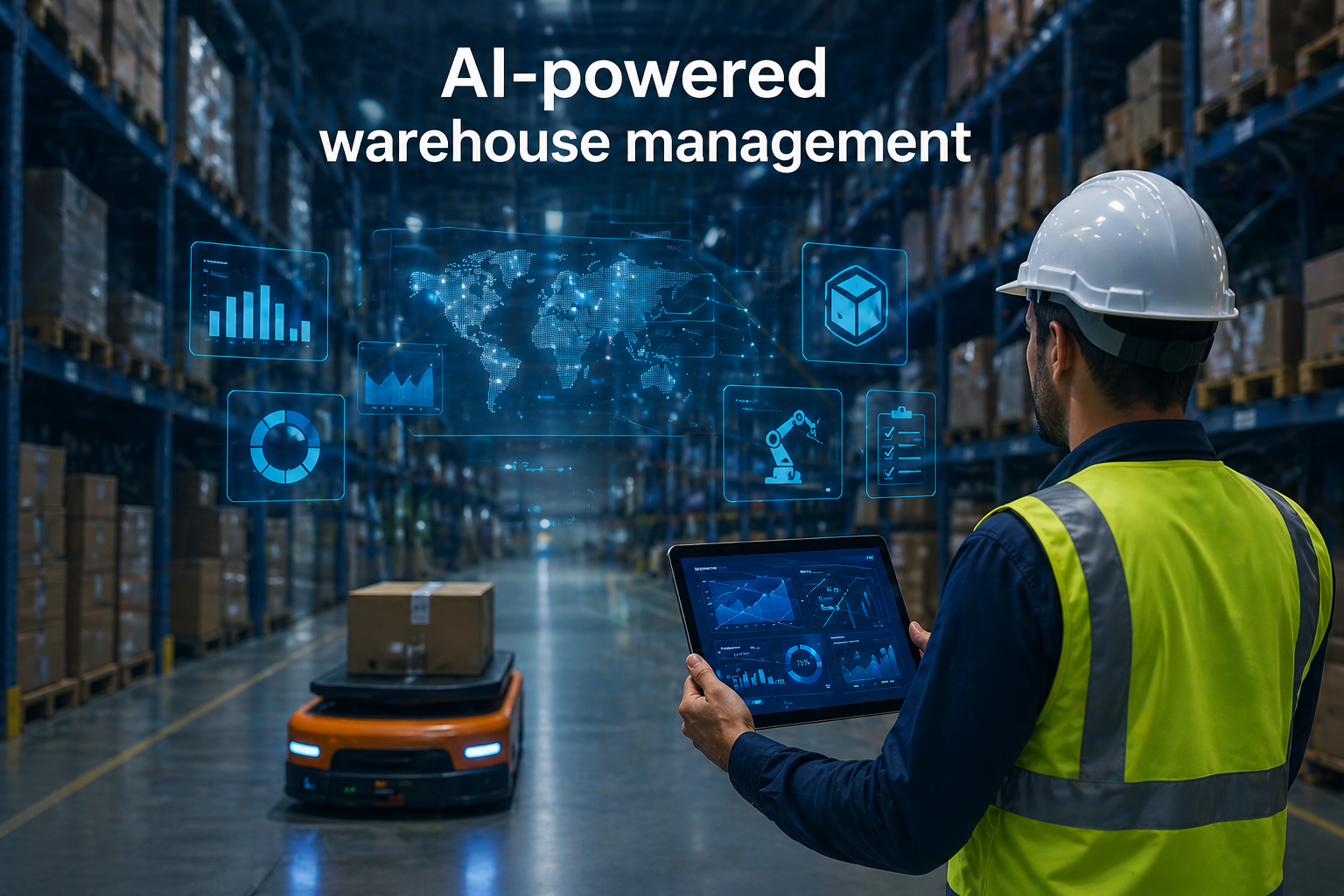
AI is no longer reserved for enterprises with massive IT budgets. Today, SMEs can unlock real operational gains from reducing stockouts to optimizing space by embracing smart warehouse solutions. In this blog, we explore how AI/ML is making warehouse efficiency accessible and practical for growing businesses, and how tools like WarePro by PIPRA Solutions are bringing these capabilities to life.
A report by McKinsey states that AI can cut logistics costs by up to 15% and improve inventory accuracy by 35% (McKinsey & Company: Succeeding in the AI supply-chain revolution). But for SMEs, the real value lies in doing more with less minimizing waste, boosting productivity, and avoiding missed orders.
Warehouses for SMEs are often constrained by limited staff, space, and time. AI brings automation and predictability, transforming warehouses from cost centers into strategic assets. And unlike traditional systems, AI-powered platforms scale with your business needs.
You don’t need robots to run a smart warehouse. AI helps streamline the basics. Here’s how:
AI predicts when and how much stock you’ll need helping prevent last-minute ordering, dead stock, or stockouts.
ML learns which products move fast and suggests better shelf/bin placements. This saves time during picking and maximizes storage.
With simple camera integrations, AI can validate counts, detect visible damage, or verify barcode accuracy cutting down on human errors.
AI forecasts high-activity periods (month-end, festivals, etc.) so you can plan staffing better especially useful for SMEs with lean teams.
AI recommends optimal picking routes and batches similar orders, speeding up order processing without needing new hardware.
AI can flag delays, misplaced items, or cold storage anomalies in real-time, letting you fix problems before they impact customers.
AI doesn’t mean building everything from scratch. Modern platforms are plug-and-play, affordable, and cloud-ready:
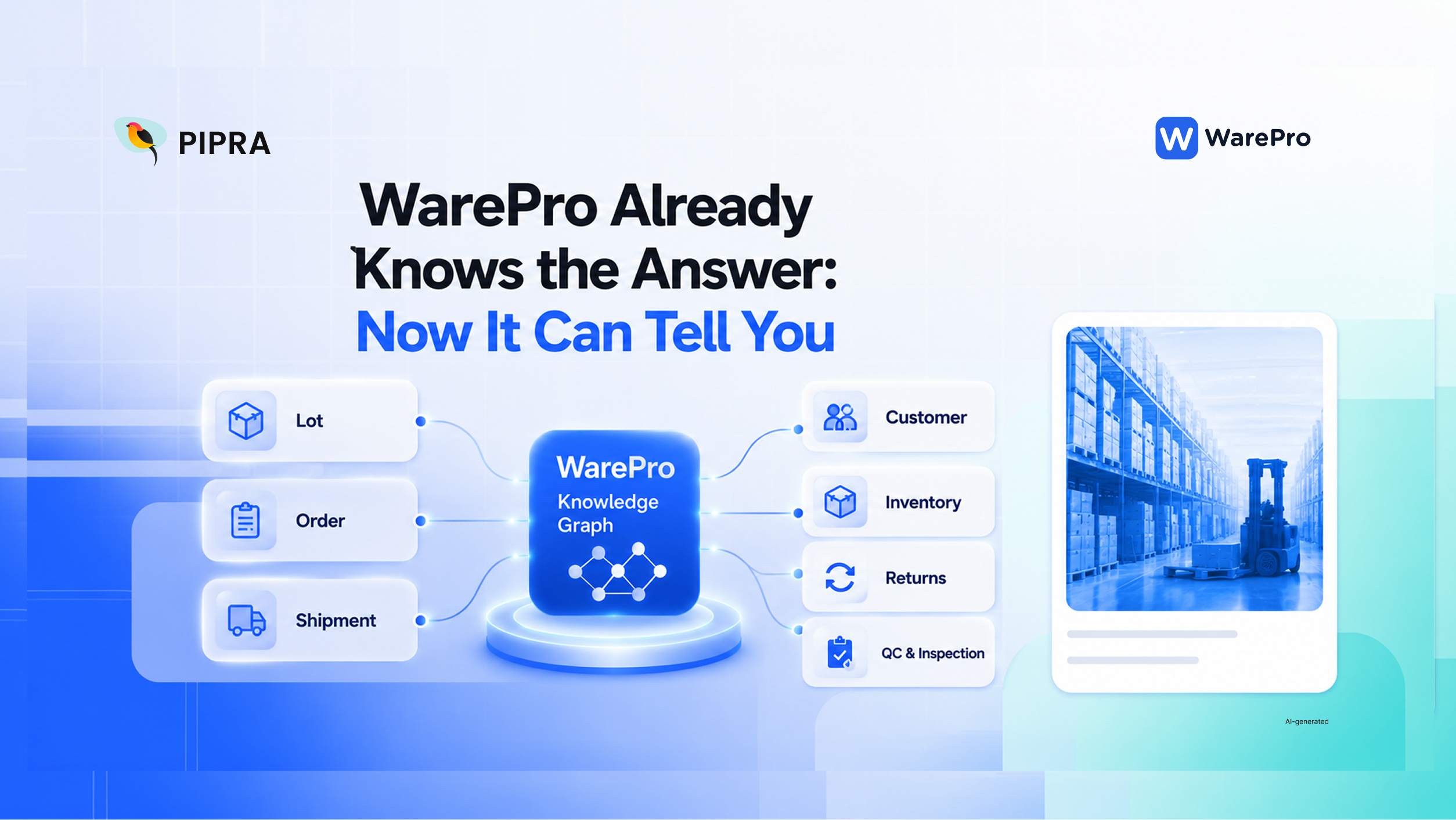
WarePro is built with SME challenges in mind. Whether you run a regional distribution center or a single-site warehouse, its AI modules deliver:
SMEs using WarePro report reduced dispatch time, better stock control, and less reliance on firefighting operations.
No. Platforms like WarePro are built for non-technical users. Your warehouse team can operate it with minimal training.
Not anymore. AI has become cost-effective with cloud platforms and SaaS pricing models.
Yes-data is encrypted and role-based access ensures only your team sees what they need.
Yes-especially when they see it cuts their grunt work and lets them focus on what matters.
Gartner predicts that by 2027, over 75% of warehouses will adopt some AI-driven automation (Sources). SMEs that act early will gain an edge-through better margins, faster turnarounds, and happier customers.
You don’t have to be a tech company to build a smart warehouse. You just need the right tools and mindset.
AI is the ally that helps small teams achieve big results. For SMEs juggling growth, cost control, and customer service, smart warehousing isn’t a future concept-it’s a present advantage.
At PIPRA Solutions, we’re passionate about democratizing AI. WarePro puts smart logistics within reach of every SME-without the jargon, the complexity, or the big budgets.
If your team is still relying on manual tracking, delayed reports, or people-dependent updates, it may be time to explore AI-powered warehouse intelligence. Connect with PIPRA Solutions to see how WarePro can help improve visibility, inventory accuracy, and operational decision-making.